
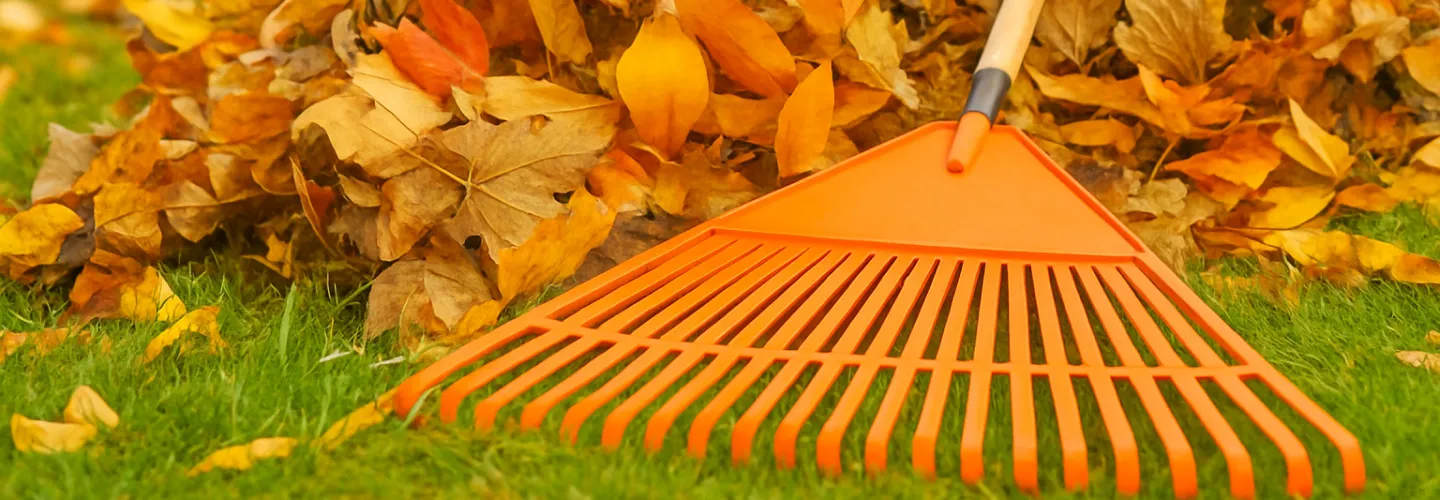
Matlacha Leaf Removal Services
Choose our expert leaf removal for a hassle-free, thorough cleanup that keeps your yard healthy, safe, and looking its best all season long.
Get a Free QuoteOur Matlacha Landscaping & Yard Care Services
When to Schedule Leaf Removal in Matlacha, Florida – Seasonal Guide
In Matlacha, Florida, the timing of leaf removal is shaped by our subtropical climate, unique island landscapes, and the specific needs of neighborhoods like Matlacha Isles and Pine Island Road. Unlike northern regions, Matlacha experiences mild winters and a prolonged growing season, which means leaves can accumulate at different times throughout the year. The optimal periods for leaf removal are typically late fall, after the majority of deciduous trees have shed their leaves, and again in early spring to clear away any remaining debris before the rainy season begins.
Local environmental factors play a significant role in determining the best schedule for leaf removal. For example, areas near the Matlacha Pass Aquatic Preserve may experience higher humidity and salt exposure, affecting how quickly leaves decompose. Properties with dense shade from mature oaks or palms, such as those along Porpoise Point, may require more frequent service due to slower leaf breakdown and increased risk of mold. Additionally, understanding local frost dates and drought risk is essential for maintaining healthy soil and preventing landscape stress. For more information on local environmental guidelines, visit the official resource.
Local Factors to Consider for Leaf Removal in Matlacha
- Tree density and species (live oaks, palms, mangroves)
- Proximity to water and salt exposure
- Shade coverage and sun exposure
- Soil type (sandy vs. loamy)
- Seasonal precipitation and humidity levels
- Terrain and drainage patterns
- Municipal restrictions or collection schedules
Benefits of Leaf Removal in Matlacha
Enhanced Curb Appeal
Prevents Lawn Damage
Reduces Pest Infestations
Improves Lawn Health
Saves Time and Effort
Professional and Reliable Service
Matlacha Leaf Removal Types

Seasonal Leaf Cleanup
-
Curbside Leaf Collection
-
Mulching Leaf Removal
-
Bagged Leaf Pickup
-
Vacuum Leaf Removal
-
Gutter Leaf Clearing
-
On-Demand Leaf Removal
Our Leaf Removal Process
Site Evaluation
Leaf Gathering
Collection and Removal
Final Inspection
Why Choose Matlacha Landscape Services
-
Matlacha Homeowners Trust Us
-
Expert Lawn Maintenance
-
Reliable Scheduling
-
Competitive Pricing
-
Professional Team
-
Satisfaction Guarantee
-
Personalized Service
Coordinating Leaf Debris Disposal Through Lee County Public Works in Matlacha
Matlacha is an unincorporated census-designated place within Lee County, Florida, and all yard waste disposal coordination falls under Lee County government services. Residents must follow Lee County's curbside vegetation collection guidelines when managing leaf debris. Acceptable materials include loose leaves, small branches under 6 feet in length and 4 inches in diameter, and bagged yard waste in biodegradable containers. Key disposal requirements include:
- Curbside placement: Vegetation piled separately from household trash, at least 3 feet from mailboxes, meters, and fire hydrants
- Prohibited materials: Plastic bags, construction debris, treated lumber, or soil mixed with leaves
- Collection frequency: Weekly scheduled pickup coordinated through the county's contracted hauler
- Volume limits: Piles should not exceed 6 feet in length, 4 feet in width, and 4 feet in height per pickup
Lee County Solid Waste Division manages scheduling and compliance enforcement. Leaf debris must never be swept or blown into roadside swales, drainage ditches, or stormwater inlets, as this violates the county's MS4 stormwater permit under the Clean Water Act.
Lee County Public Works
1500 Monroe Street, Fort Myers, FL 33901
Phone: (239) 533-2111
Official Website: Lee County Public Works
Matlacha's Sandy Entisol Soils and Leaf Decomposition Challenges
Matlacha sits on predominantly sandy Entisol soils characteristic of southwest Florida's coastal barrier islands and low-lying flatwoods. According to the USDA Web Soil Survey, the area features Myakka and Immokalee fine sand series with pH levels typically ranging from 4.5 to 6.5 and extremely rapid drainage. These sandy, nutrient-poor soils present distinct challenges for leaf management:
- Rapid leaching: Decomposing leaf tannins and organic acids wash quickly through sandy profiles, potentially reaching the shallow water table at 12–24 inches below grade
- Low microbial activity: Sandy soils support fewer decomposition organisms, meaning leaf litter breaks down slowly if left in place
- Wind displacement: Lightweight sandy substrates offer minimal anchoring for leaf piles, causing debris to scatter during afternoon sea breezes and tropical weather events
- Nutrient contribution: Properly composted leaf material can improve organic matter content in Matlacha's nutrient-deficient sands, raising organic content from below 1% toward a more productive 3–5% range
Residents in USDA Hardiness Zone 10a–10b should note that Matlacha's subtropical species—including gumbo limbo (Bursera simarouba), sea grape (Coccoloba uvifera), and various palm species—shed foliage year-round rather than in a single autumn flush. This necessitates ongoing leaf removal scheduling rather than seasonal-only service. For soil testing and composting guidance, contact UF/IFAS Extension Lee County office.
Protecting Matlacha Pass Aquatic Preserve During Leaf Removal Operations
Matlacha's location along Matlacha Pass, a designated Florida Aquatic Preserve, imposes strict environmental compliance obligations on all yard maintenance activities, including leaf removal. The Florida Department of Environmental Protection administers aquatic preserve protections, and leaf debris entering tidal waters constitutes a nutrient loading violation under the Florida Environmental Protection Act. Specific compliance measures include:
- Buffer zones: Maintain a minimum 25-foot no-disturbance zone from mean high water line when using blowers or raking equipment near waterfront properties
- Blower direction: Always direct leaf blowers inland, away from seawalls, mangrove shorelines, and canal edges
- Debris containment: Use tarps or physical barriers when collecting leaves within 50 feet of any tidal water body
- Prohibited discharge: No leaf material, grass clippings, or organic debris may enter stormwater outfalls, drainage canals, or direct waterfront areas
- Mangrove protection: Leaf removal around mangrove root systems is regulated; trimming or disturbing mangroves requires a permit under Florida Statute 403.9325
Lee County's MS4 stormwater permit, overseen by EPA Region 4, requires that all yard waste operations prevent organic pollutant discharge into surface waters. Matlacha's canal system connects directly to Matlacha Pass and Pine Island Sound, making proper leaf containment critical for water quality protection.
Lee County Natural Resources
1500 Monroe Street, Fort Myers, FL 33901
Phone: (239) 533-8109
Official Website: Lee County Natural Resources
Optimal Leaf Removal Timing for Matlacha's Subtropical Climate Cycles
Unlike northern regions with a concentrated autumn leaf drop, Matlacha's subtropical climate in USDA Hardiness Zone 10a produces year-round foliage shedding with distinct peak periods. The National Weather Service Miami office monitors weather patterns affecting southwest Florida's seasonal cycles. Property owners should plan leaf removal around these timing considerations:
- Late winter (January–March): Deciduous tropical species such as gumbo limbo and mahogany shed leaves during the dry season; peak removal period with minimal rain interference
- Spring (April–May): New growth pushes old foliage from live oaks (Quercus virginiana), creating heavy leaf drop over 3–4 weeks typically in March through April
- Hurricane season (June–November): Tropical storms and high winds accelerate leaf and branch fall; post-storm debris removal should occur within 48–72 hours to prevent drainage blockages
- Dry season advantage: Schedule major leaf removal during November through May when rainfall averages 1–3 inches monthly versus 7–10 inches during wet season months
Equipment operation in Matlacha should account for Lee County noise considerations. Commercial leaf blowers and vacuum equipment are typically permitted Monday through Saturday, 7:00 AM to 7:00 PM. Sunday and holiday operation should be confirmed with Lee County Community Development.
Lee County Community Development
1500 Monroe Street, Fort Myers, FL 33901
Phone: (239) 533-8585
Official Website: Lee County Community Development
How Lee County Water Quality Standards Affect Leaf Management in Matlacha
Matlacha's position between Pine Island and the mainland, surrounded by estuarine waters, places leaf removal operations under heightened water quality scrutiny. Lee County's Water Quality program monitors nutrient levels in surrounding waterways, and decomposing leaf material contributes measurable nitrogen and phosphorus loads. Key regulatory and practical considerations include:
- Nutrient loading: A single mature live oak can produce 50–80 pounds of leaf litter annually; when this material enters waterways, it contributes approximately 1–2% nitrogen and 0.1–0.3% phosphorus by dry weight
- Storm drain awareness: Matlacha's flat topography and limited elevation (typically 3–5 feet above sea level) means leaf debris migrates easily into drainage infrastructure during rain events
- Canal maintenance: Leaves accumulating in Matlacha's residential canal systems reduce dissolved oxygen levels below the 4.0 mg/L threshold required for healthy aquatic habitat
- Composting alternative: Rather than curbside disposal, residents may compost leaf material on-site using a 3:1 carbon-to-nitrogen ratio, reducing transport costs and improving sandy soil quality
The Florida Department of Environmental Protection enforces Total Maximum Daily Load (TMDL) standards for impaired water bodies in the Caloosahatchee and Pine Island Sound watersheds. Proper leaf containment directly supports these water quality objectives.
Lee County Water Quality
1500 Monroe Street, Fort Myers, FL 33901
Phone: (239) 533-8109
Official Website: Lee County Water Quality
What Streets and Subdivisions Do We Serve Throughout Matlacha, FL?
- Matlacha Isles: This canal-front subdivision features waterfront lots with mature tropical landscaping including sea grape, coconut palm, and buttonwood. Leaf removal requires careful containment near seawalls and canal edges to prevent organic debris from entering tidal waters connected to Matlacha Pass.
- Pine Island Road (SR 78) Corridor: Properties along this main thoroughfare through Matlacha experience heavy leaf accumulation from roadside live oaks and royal poinciana. Equipment staging must account for traffic flow and limited shoulder space on this two-lane road connecting Cape Coral to Pine Island.
- Matlacha Park Area: Homes near Matlacha Community Park along the waterfront contend with dense mangrove and buttonwood canopy producing continuous leaf shed. The 25-foot aquatic preserve buffer zone applies to all leaf removal operations adjacent to the park's shoreline.
- Island Cove and Surrounding Streets: This residential area features smaller lots with closely spaced homes, requiring compact equipment for leaf collection. Sandy soils and low elevation (3–4 feet above sea level) make prompt leaf removal essential before seasonal flooding events.
- Waterfront Canal Properties off Oleander Street: These properties along interior canals face unique challenges from overhanging Australian pine (Casuarina) and Brazilian pepper (Schinus terebinthifolia)—both invasive species producing heavy needle and leaf litter year-round that must be bagged and removed rather than composted on-site per UF/IFAS Extension invasive species management guidelines.