
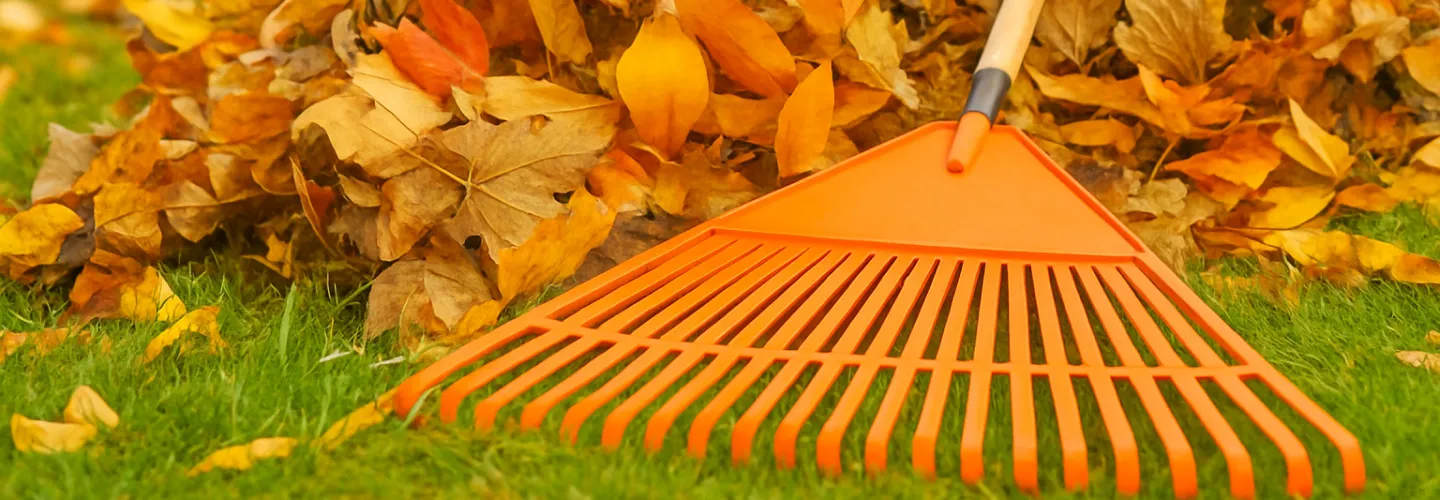
Matlacha Green Waste Disposal Services
Choose our Green Waste Disposal for reliable, environmentally responsible service that keeps your property clean and supports a healthier community—experience hassle-free pickups and sustainable practices you can trust.
Get a Free QuoteOur Matlacha Landscaping & Yard Care Services
When to Schedule Green Waste Disposal in Matlacha, Florida – Seasonal Guide
In Matlacha, Florida, the timing of green waste disposal is closely tied to our unique subtropical climate and the rhythms of the local landscape. With mild winters and hot, humid summers, the optimal periods for scheduling green waste removal are typically late winter through early spring and again in late summer, just before hurricane season peaks. These windows allow homeowners to clear away storm debris, trim back overgrowth, and prepare their yards for seasonal changes without interfering with active plant growth or risking soil erosion.
Local environmental factors play a significant role in determining the best disposal schedule. For example, neighborhoods near Matlacha Pass or close to the shaded canopies of Pine Island Road often experience higher humidity and denser foliage, which can accelerate organic waste accumulation. Additionally, the sandy soils common in the area, combined with periodic drought risk, mean that timing disposal to avoid exposing roots during dry spells is crucial. Residents should also be aware of municipal guidelines and seasonal restrictions, which can be found on the Town of Sudbury's official website, to ensure compliance and environmental responsibility.
Local Factors to Consider for Green Waste Disposal in Matlacha
- Tree density and types (e.g., palms vs. oaks in neighborhoods like Porpoise Point)
- Proximity to water bodies and flood-prone zones
- Seasonal precipitation patterns and hurricane preparedness
- Municipal collection schedules and disposal restrictions
- Terrain variations, such as low-lying lots or shaded yards
- Soil type and drainage characteristics
Benefits of Green Waste Disposal in Matlacha
Eco-Friendly Landscaping Solutions
Efficient Green Waste Removal
Promotes Healthy Plant Growth
Reduces Landfill Waste
Supports Local Sustainability
Enhances Property Appearance
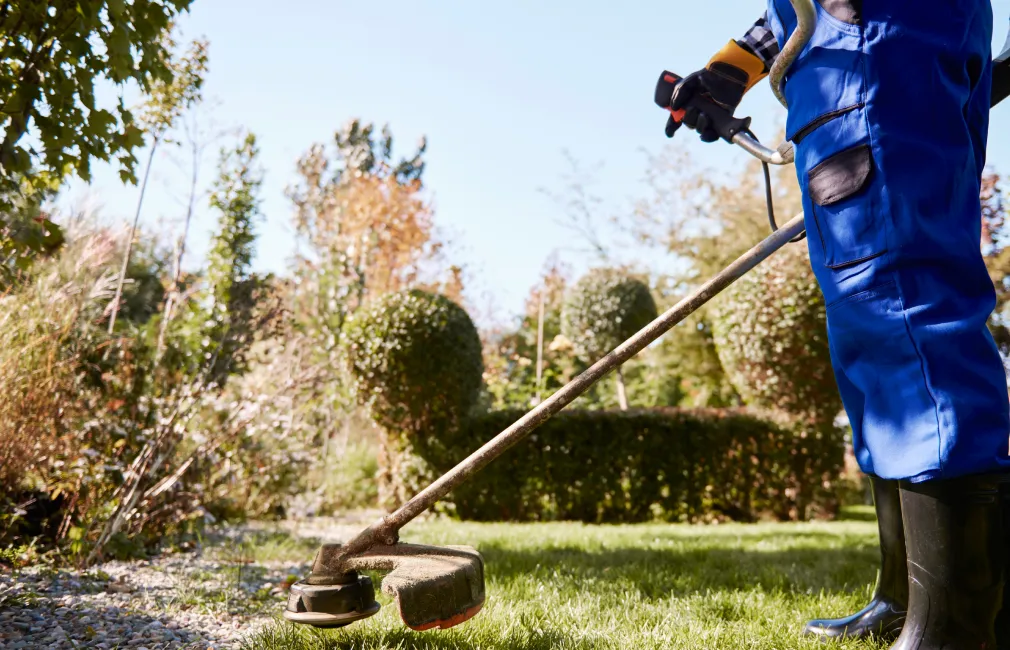
Matlacha Green Waste Disposal Types

Grass Clippings
-
Tree Branches
-
Shrub Trimmings
-
Leaves Collection
-
Palm Fronds
-
Garden Debris
-
Mulch Recycling
Our Green Waste Disposal Process
Collection of Green Waste
Sorting and Separation
Transport to Disposal Facility
Eco-Friendly Processing
Why Choose Matlacha Landscape Services
-
Matlacha Homeowners Trust Us
-
Expert Lawn Maintenance
-
Reliable Scheduling
-
Competitive Pricing
-
Professional Team
-
Satisfaction Guarantee
-
Personalized Service
Coordinating Green Waste Disposal Through Lee County Public Works for Matlacha Residents
Matlacha is an unincorporated census-designated place within Lee County, Florida, and all solid waste and green waste disposal services are administered at the county level. Lee County Solid Waste Division manages curbside yard waste collection for residential properties, typically scheduled on a weekly basis. Accepted green waste materials include:
- Grass clippings, leaves, and small brush under 4 feet in length
- Palm fronds bundled and cut to 4-foot maximum lengths
- Branches not exceeding 4 inches in diameter
- Loose yard debris placed in 32-gallon containers or biodegradable bags
Residents must not place green waste in plastic bags, and materials exceeding size limits require transport to the Lee County Resource Recovery Facility or Topaz Court Transfer Station. Open burning of yard waste is prohibited under Lee County Ordinance without a permit from the Florida Forest Service. Property owners should confirm their specific collection day through Lee County's waste services portal.
Lee County Public Works
1500 Monroe Street, Fort Myers, FL 33901
Phone: (239) 533-2111
Official Website: Lee County Public Works
Protecting Matlacha Pass and Surrounding Waterways During Yard Debris Removal
Matlacha sits along Matlacha Pass, a designated aquatic preserve under the Florida Environmental Protection Act, making environmental compliance during green waste disposal critically important. The Matlacha Pass Aquatic Preserve protects estuarine habitats including mangrove shorelines, seagrass beds, and tidal flats. Green waste must never enter stormwater conveyances or be deposited within 25 feet of any tidal waterway or mangrove fringe. Under the Clean Water Act and Lee County's MS4 stormwater permit, yard debris that enters storm drains contributes excess nutrients—particularly nitrogen and phosphorus—to receiving waters, accelerating harmful algal blooms in Charlotte Harbor and Pine Island Sound.
Property owners along waterfront parcels should observe these compliance measures:
- Maintain a 25-foot no-disturbance buffer from mean high water line
- Never blow or rake clippings toward canals, ditches, or shoreline areas
- Avoid stockpiling green waste on seawalls or dock areas where tidal action can carry debris into the preserve
- Report illegal dumping of yard waste into waterways to Lee County Natural Resources
Lee County Natural Resources
1500 Monroe Street, Fort Myers, FL 33901
Phone: (239) 533-8109
Official Website: Lee County Natural Resources
EPA Region 4 oversees federal water quality enforcement throughout southwest Florida, and violations involving discharge into aquatic preserves carry significant penalties.
How Matlacha's Sandy Entisol Soils and Tropical Climate Affect Green Waste Volume
Matlacha's soils are predominantly sandy Entisols—excessively drained, low in organic matter, and characteristic of Florida's coastal barrier island geology. The USDA Web Soil Survey identifies Myakka and Immokalee fine sands as common soil series in the Pine Island area, with pH levels typically ranging from 5.5 to 7.0 and seasonal water tables rising to within 12–24 inches of the surface during the wet season (June through October). Located in USDA Hardiness Zone 10a–10b per the USDA Plant Hardiness Zone Map, Matlacha experiences year-round vegetative growth, meaning green waste generation does not follow the seasonal dormancy patterns seen in northern climates.
Key factors influencing disposal volume include:
- Rapid growth of St. Augustinegrass (Stenotaphrum secundatum) requiring mowing every 7–10 days from April through October
- Prolific palm frond drop from coconut palms (Cocos nucifera) and sabal palms (Sabal palmetto), especially during storm season
- Dense tropical understory vegetation including Brazilian pepper (Schinus terebinthifolia), an invasive species whose removal generates substantial debris
- Wet-season soil saturation that accelerates decomposition but complicates on-site stockpiling
UF/IFAS Extension provides guidance on composting techniques suited to Matlacha's sandy soils and high humidity, including recommendations for maintaining compost pile temperatures between 130°F and 160°F to ensure pathogen reduction.
Navigating Lee County Zoning and Land Development Codes for Large-Scale Yard Clearing in Matlacha
Large-scale green waste disposal projects in Matlacha—such as lot clearing, invasive species removal, or storm debris cleanup—may trigger Lee County land development code requirements. Properties within the Matlacha community are subject to Lee County's Land Development Code Chapter 10, which governs vegetation removal and land clearing. Removal of mangroves is strictly prohibited without permits from both Lee County and the Florida Department of Environmental Protection. Protected native trees, including live oaks (Quercus virginiana) with a diameter at breast height (DBH) of 12 inches or greater, require a vegetation removal permit prior to cutting.
Permit and compliance considerations include:
- Vegetation removal permits: required for clearing more than 5,000 square feet of native vegetation
- Application review period: typically 10–15 business days through Lee County Community Development
- Mangrove trimming: regulated under Florida Statute 403.9321–403.9333, limited to professional mangrove trimmers certified by the Florida Department of Environmental Protection
- Disposal of invasive species debris (Brazilian pepper, Australian pine, melaleuca): must be transported off-site to prevent re-rooting; not suitable for on-site composting
Lee County Community Development
1500 Monroe Street, Fort Myers, FL 33901
Phone: (239) 533-8585
Official Website: Lee County Community Development
Lee County Zoning
1500 Monroe Street, Fort Myers, FL 33901
Phone: (239) 533-8585
Official Website: Lee County Zoning
Hurricane Season Debris Management and Emergency Green Waste Protocols for Matlacha
Matlacha's exposed position on a narrow strip of land between Pine Island and Cape Coral makes it particularly vulnerable to tropical storm and hurricane damage, which generates extraordinary volumes of green waste. The National Weather Service Miami office monitors tropical systems affecting Lee County from June 1 through November 30. Following a named storm, Lee County typically activates emergency debris collection operations with designated staging areas and modified pickup schedules.
Post-storm green waste management protocols include:
- Separate vegetative debris from construction debris and household hazardous waste at the curb
- Stack branches and limbs parallel to the roadway, not blocking drainage swales or fire hydrants
- Cut limbs to lengths under 6 feet for mechanical collection by county grapple trucks
- Do not place debris within 10 feet of utility poles, mailboxes, or fire hydrants
- Monitor Lee County's emergency management announcements for temporary drop-off site locations and hours
- Typical post-hurricane collection may require 3–6 passes over several weeks
The Florida Forest Service County Foresters office can assist with assessment of damaged trees and guidance on whether storm-damaged specimens require full removal or can be safely pruned and preserved.
Florida Forest Service County Foresters
Phone: (239) 690-3500
Official Website: Florida Forest Service County Foresters
What Streets and Subdivisions Do We Serve Throughout Matlacha, FL?
- Matlacha Isles: This canal-front subdivision features waterfront lots with dense tropical landscaping and frequent palm frond accumulation. Properties along the canal edges require careful green waste staging to prevent debris from entering tidal waterways connected to Matlacha Pass.
- Pine Island Road (SR 78) Corridor: The main commercial and residential artery through Matlacha generates mixed green waste from both residential yards and commercial property frontages. Narrow right-of-way shoulders limit curbside staging space, requiring compact bundling of yard debris.
- Oleander Street and Hibiscus Drive Area: These interior residential streets near Matlacha Park feature older homes with mature live oaks and dense understory vegetation, producing significant leaf litter and branch debris year-round on smaller lots with limited equipment access.
- Matlacha Shores: Waterfront properties along the northern shoreline face tidal flooding during king tides and storm surge, which can scatter staged green waste. Residents must secure debris piles and avoid placement below the mean high water line.
- Fisherman's Wharf Area: Properties near the Matlacha community fishing areas along the bridge approach contend with salt-tolerant vegetation management, including sea grape (Coccoloba uvifera) pruning that generates heavy, dense green waste requiring specialized disposal handling.