
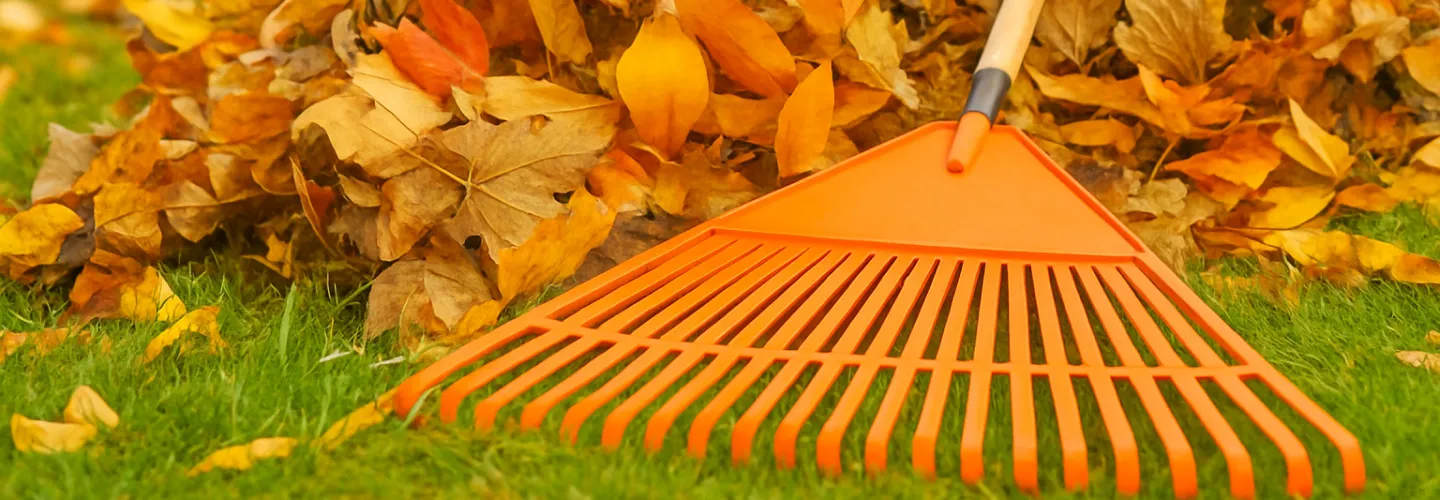
Matlacha Dethatching Lawn Services
Choose our dethatching lawn services for a healthier, greener yard—our experienced team removes built-up thatch to improve water, nutrient, and air flow, ensuring your grass thrives all season long.
Get a Free QuoteOur Matlacha Landscaping & Yard Care Services
When to Schedule Dethatching Lawn in Matlacha, Florida – Seasonal Guide
In Matlacha, Florida, the best time to schedule dethatching for your lawn is typically in late spring or early summer, after the last frost and before the peak of the rainy season. The subtropical climate here means lawns, especially those in neighborhoods like Matlacha Isles and near the Matlacha Pass Aquatic Preserve, experience rapid grass growth and thick thatch buildup due to high humidity and warm temperatures. Timing your dethatching service is crucial to avoid stressing your turf during periods of drought or excessive rainfall, both of which are common in our area.
Local environmental factors such as sandy soils, frequent shade from mature palms and oaks, and the proximity to saltwater can all impact the health of your lawn and the ideal dethatching schedule. For example, properties along Pine Island Road may face different challenges than those closer to the water, where salt spray and higher humidity levels are more prevalent. Always consider municipal guidelines and local resources like the Town of Sudbury's environmental recommendations when planning your lawn care routine.
Local Factors to Consider for Dethatching Lawn in Matlacha
- Tree density and shade coverage from native palms and oaks
- Soil type (sandy vs. loamy) and drainage capacity
- Proximity to saltwater and risk of salt spray
- Seasonal precipitation patterns and drought risk
- Frost dates and timing of spring green-up
- Terrain variations, especially near canals or waterfronts
- Municipal restrictions or local lawn care ordinances
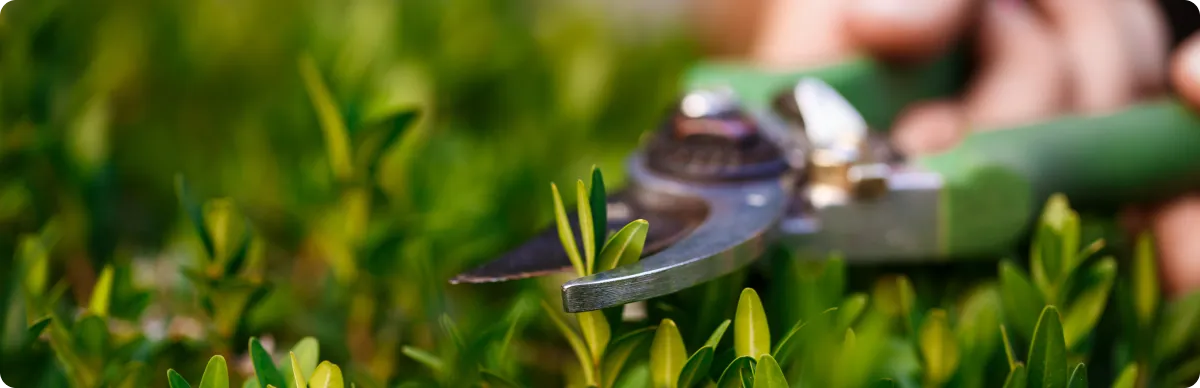
Benefits of Dethatching Lawn in Matlacha
Improved Lawn Health
Enhanced Grass Growth
Better Water Absorption
Reduced Pest Problems
Increased Curb Appeal
Professional Landscaping Expertise
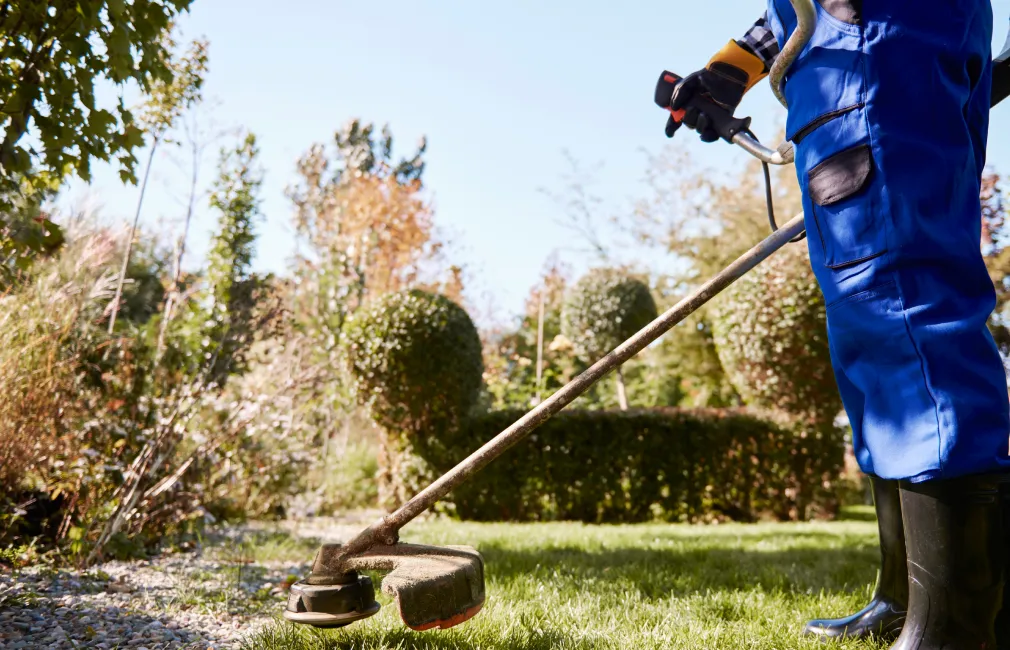
Matlacha Dethatching Lawn Types

St. Augustine Grass Dethatching
-
Bermuda Grass Dethatching
-
Zoysia Grass Dethatching
-
Bahia Grass Dethatching
-
Centipede Grass Dethatching
-
Fescue Grass Dethatching
-
Ryegrass Dethatching
Our Dethatching Lawn Process
Lawn Evaluation
Preparation and Marking
Dethatching Execution
Cleanup and Disposal
Post-Dethatching Inspection
Why Choose Matlacha Landscape Services
-
Matlacha Homeowners Trust Us
-
Expert Lawn Maintenance
-
Reliable Scheduling
-
Competitive Pricing
-
Professional Team
-
Satisfaction Guarantee
-
Personalized Service
Matlacha's Sandy Entisol Soils and Their Impact on Thatch Accumulation
Matlacha sits within USDA Hardiness Zone 10a–10b on a series of low-lying islands in Matlacha Pass, where the predominant soils are sandy Entisols—primarily Myakka and Immokalee fine sands—characterized by rapid drainage, acidic pH of 4.5–6.0, and extremely low organic matter content. These excessively drained sands create a unique dethatching dynamic: warm-season turfgrasses such as St. Augustinegrass (Stenotaphrum secundatum) and Bahiagrass (Paspalum notatum) produce stoloniferous growth that generates thatch layers of 0.5–1.0 inch within a single growing season. When thatch exceeds 0.75 inch, water infiltration drops significantly, compounding drought stress in sandy substrates. Property owners should confirm their specific soil series through the USDA Web Soil Survey and test soil pH through UF/IFAS Extension before scheduling dethatching, as overly aggressive mechanical removal on thin sandy profiles can expose root zones and accelerate erosion.
Optimal Dethatching Windows for Matlacha's Year-Round Growing Season
Unlike northern climates with distinct dormancy periods, Matlacha's subtropical conditions sustain active turfgrass growth from March through November, with only a brief slowdown from mid-December through February when nighttime temperatures occasionally dip to 45–50°F. The optimal dethatching window for St. Augustinegrass lawns is April through June, when soil temperatures consistently exceed 65°F and the turf is entering peak growth capable of rapid recovery. Key timing considerations include:
- Spring window (April 1–June 15): Ideal primary dethatching period; soil temperatures 70–85°F promote vigorous regrowth within 2–3 weeks
- Early fall (September 15–October 31): Secondary window before growth slows; avoid if hurricane activity threatens saturated conditions
- Avoid: July–August dethatching during peak heat stress (soil temperatures above 90°F) and rainy season downpours exceeding 7–9 inches monthly
- Avoid: December–February when turf recovery is minimal and frost risk exists on exposed root crowns
The National Weather Service Miami office provides localized forecasts that help schedule dethatching around Matlacha's frequent afternoon thunderstorms during the wet season.
Protecting Matlacha Pass Aquatic Preserve During Dethatching Operations
Matlacha is surrounded by the Matlacha Pass Aquatic Preserve, a state-designated Outstanding Florida Water that imposes strict environmental compliance obligations on all land-management activities. Dethatching generates loose organic debris that, if allowed to enter stormwater conveyances, can contribute excess nutrients to the surrounding estuary and violate provisions of the Florida Environmental Protection Act and the Clean Water Act. Lee County's MS4 stormwater permit requires that lawn-care debris be contained on-site and never discharged into drainage swales, ditches, or canal systems. Specific compliance measures include:
- Maintain a minimum 25-foot no-disturbance buffer from any seawall, mangrove fringe, or tidal waterline
- Collect all dethatched material immediately using bagging attachments or raking; do not blow debris toward waterways
- Avoid fertilizer application within 10 feet of any water body per Lee County Fertilizer Ordinance 08-08 (extended to a 50-foot no-application zone for properties abutting the Aquatic Preserve)
- Schedule dethatching during dry weather to prevent nutrient-laden runoff during rain events
Lee County Natural Resources
1500 Monroe Street, Fort Myers, FL 33901
Phone: (239) 533-8000
Official Website: Lee County Natural Resources
Florida Department of Environmental Protection
3900 Commonwealth Boulevard, Tallahassee, FL 32399
Phone: (850) 245-2118
Official Website: Florida Department of Environmental Protection
Coordinating Thatch Debris Disposal Through Lee County Solid Waste Programs
Because Matlacha is an unincorporated community within Lee County, yard waste collection and disposal are administered by Lee County Solid Waste Division rather than a municipal public works department. Dethatched material qualifies as vegetative yard waste and must be handled according to county guidelines to avoid code enforcement action. Disposal requirements include:
- Curbside collection: Place bagged thatch debris in biodegradable bags or loose in 32-gallon containers at the curb by 6:00 AM on scheduled pickup days (verify route-specific day with Lee County Solid Waste at 239-533-8000)
- Accepted materials: Grass thatch, stolons, dead turf material, and associated soil fines
- Prohibited: Plastic bags, mixed construction debris, or chemically treated material
- Self-haul option: Lee County Waste-to-Energy Facility and transfer stations accept vegetative waste; typical tipping fees range $5–$30 per load depending on volume
- Composting: Thatch material composts effectively when mixed at a 3:1 ratio with carbon-rich material such as dried leaves; finished compost can be reapplied at 0.25–0.5 inch depth to improve sandy soil structure
Lee County Public Works
1500 Monroe Street, Fort Myers, FL 33901
Phone: (239) 533-8000
Official Website: Lee County Public Works
What Streets and Subdivisions Do We Serve Throughout Matlacha, FL?
- Matlacha Isles: This canal-front subdivision features sandy fill soils with high shell content and pH levels of 6.5–7.5, requiring careful dethatching depth calibration to avoid damaging shallow root systems on narrow waterfront lots adjacent to Matlacha Pass.
- Pine Island Road (SR 78) Corridor: Properties along this main thoroughfare near the Matlacha community park experience compacted sandy soils from road runoff and elevated foot traffic, often producing denser thatch layers in St. Augustinegrass that benefit from vertical mowing at 0.25-inch depth settings.
- Coconut Drive and Mango Street Area: These interior residential streets near the Matlacha fishing village center contain older lots with mature tropical landscaping and heavy shade, creating conditions where Bahiagrass thatch accumulates unevenly and requires targeted dethatching around tree root zones.
- Fisherman's Wharf Subdivision: Waterfront homes along this area face salt spray exposure and tidal influence that stress turf and accelerate thatch buildup; a 25-foot buffer from seawalls must be maintained during all mechanical dethatching operations.
- Island Cove and Bay Drive: These low-elevation streets near the western bridge approach are subject to seasonal flooding and high water tables at 6–12 inches below grade, necessitating dethatching only during dry periods (typically November through May) to prevent soil displacement and root damage.
Equipment Safety and Lee County Noise Standards for Dethatching Operations
Mechanical dethatching in Matlacha requires compliance with Lee County noise and safety regulations, particularly given the community's dense residential character and proximity to sensitive aquatic habitats. Power dethatcher and vertical mower operation must adhere to the following standards:
- Permitted hours: Monday–Saturday, 7:00 AM–9:00 PM; Sunday, 9:00 AM–9:00 PM (Lee County Noise Ordinance)
- Noise limits: Equipment must not exceed 75 decibels at the property line in residential zones
- Required PPE: ANSI Z87.1 rated safety glasses, hearing protection for equipment exceeding 85 dB, closed-toe footwear with non-slip soles, and cut-resistant gloves
- Equipment specifications: Use vertical mowers with blade spacing of 2–3 inches for St. Augustinegrass; set cutting depth to 0.25–0.5 inch to avoid scalping sandy root zones
- Utility clearance: Contact Sunshine 811 (dial 811) at least two full business days before any ground-penetrating dethatching work to locate underground utilities
Lee County Community Development
1500 Monroe Street, Fort Myers, FL 33901
Phone: (239) 533-8000
Official Website: Lee County Community Development
Operators working within 50 feet of roadways along Pine Island Road should wear high-visibility vests and position advance warning signage. The EPA Region 4 office and the USDA Plant Hardiness Zone Map provide additional regional guidance for lawn care professionals operating in southwest Florida's coastal communities.